
A reporting template gives the client a familiar layout. A reporting system gives your team a repeatable way to produce the numbers behind it. Both matter, but changing the slides will not fix a fragile data process.
Client reporting system for agencies
The agency system is broader than a single monthly workflow. It defines which data sources are supported, how exceptions are handled, what gets priced, which reports are reusable, and where the team reviews the results. Documenting those choices helps the team repeat the process across accounts.
Template vs system
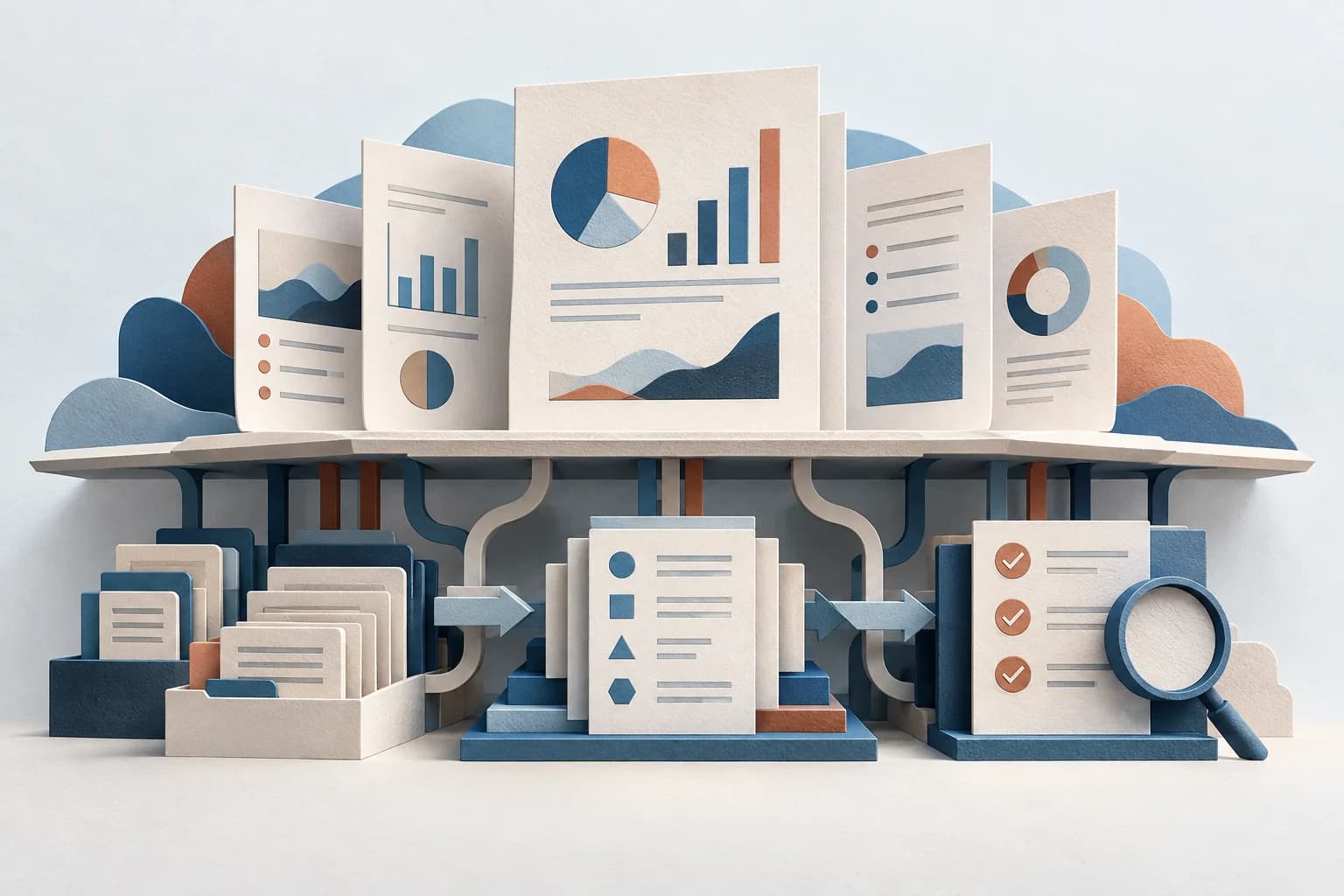
The template is the layout. The system defines where the data comes from, how often it is refreshed, what is filled automatically, and what a person reviews or writes. Once those decisions are documented, the template can be reused without carrying hidden assumptions from one account to another.
Match the artifact to the moment
Not every client needs a 30-page deck every month. Three cadences cover almost everyone:
| Cadence | What ships | Purpose |
|---|---|---|
| Weekly | A short pulse on spend, leads, and open issues | Surface changes that need a follow-up |
| Monthly | The report with a written narrative | Explain performance for the period |
| Quarterly | Trends and a plan for the next quarter | Review broader changes and priorities |
Automate in this order
Sequence beats tooling. Automate the work that removes the most hours for the least risk, first:
- Collection: schedule source pulls and record when each refresh completes.
- Structure: fill a reusable layout from the refreshed data.
- Checks: flag missing data or changes that need review.
- Narrative: have a person review the results and explain what changed.
A template defines the layout. A system defines how the report is produced and reviewed.
Price it so it pays for itself
Standardize repeatable data checks and production steps, then explain the results for each client. Build the process on a report template, the KPIs that matter, and a client reporting workflow for agencies that catches reconciliation issues before the client review.
Use the monthly workflow and tool comparison to decide what to standardize first. If no one owns those measurement calls, see fractional analytics leadership. If you want a second pair of eyes on the numbers, book a tracking audit: bring the disputed report and we’ll map the first workflow you can trust.
Frequently asked questions
What is a client reporting system for agencies?
It is the repeatable operating system behind client reports: data collection, reconciliation, templates, narrative, approvals, delivery, and follow-up.
How is a reporting system different from a template?
A template is the layout. A system is the governed workflow that makes the template accurate, repeatable, and easy to explain.
What should agencies automate first?
Automate data pulls, source cleanup, reconciliation checks, and recurring dashboard refresh before automating narrative or recommendations.
How can agencies price reporting better?
Package reporting as the trusted decision layer tied to retention and strategy, not as a hidden spreadsheet task inside the retainer.